Sawdust & Style: Traditional vs. Modern Woodworking Techniques
Woodworking is one of humanity’s oldest crafts. Long before neon lights, LED walls, and CNC routers, people were chiseling, carving, and shaping wood into tools, furniture, and art. Fast forward to today, and woodworking has gone high-tech — lasers, 3D modeling, and computer-guided routers are as common as hand planes and chisels once were.
At Mecca, we straddle both worlds. Sometimes the best solution is tried-and-true craftsmanship. Other times, modern technology saves the day. And most often? The magic happens when we blend the two.
The Beauty of Traditional Woodworking
There’s something timeless about traditional woodworking. It’s slower, more tactile, and rooted in centuries of craft.
Traditional Techniques
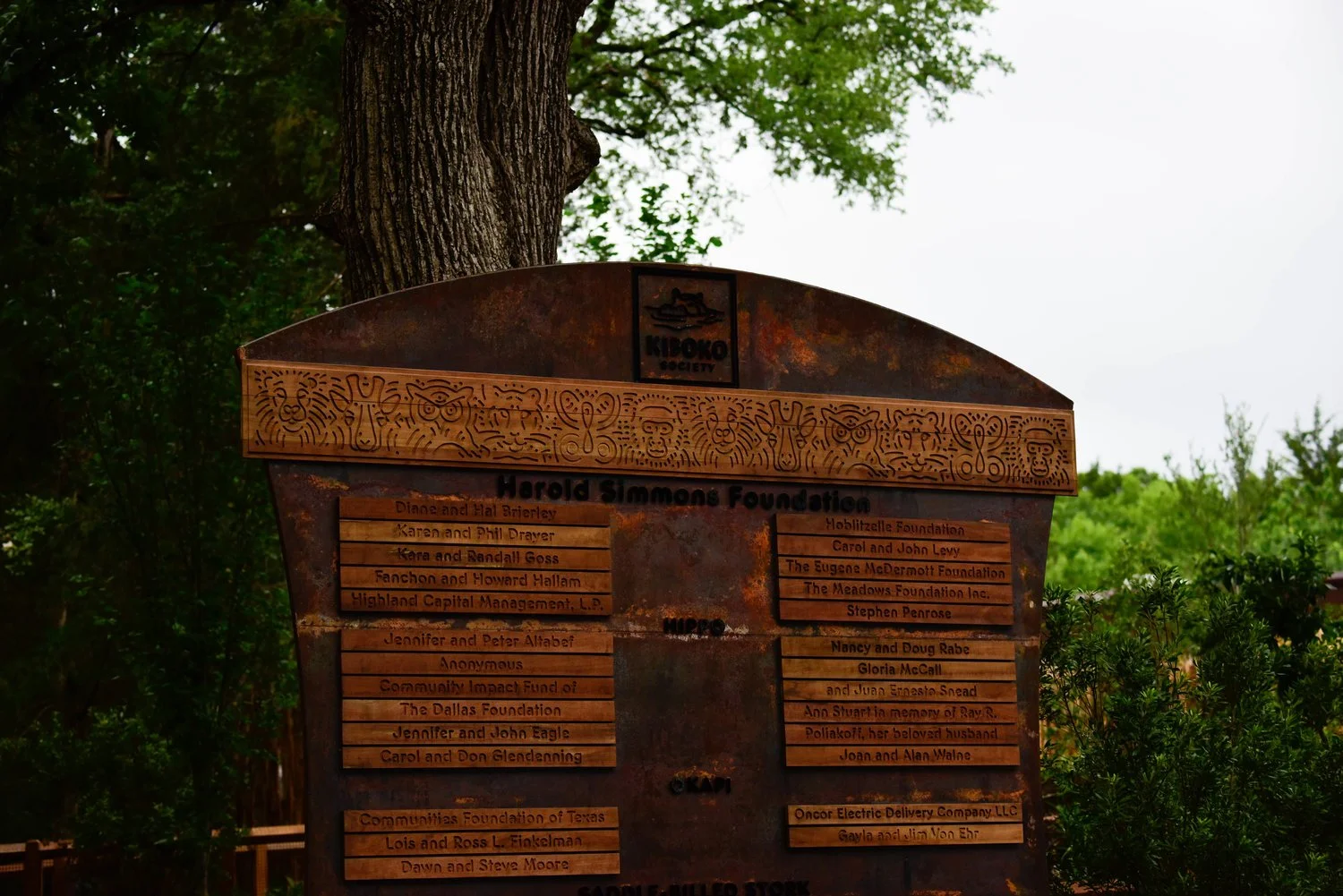
Hand Tools: Think chisels, planes, hand saws, and mallets. These tools give fabricators intimate control over every cut and curve.
Joinery: Instead of relying on screws and nails, traditionalists use dovetails, mortise-and-tenon, and other joints designed to lock together perfectly. (Beautiful and strong.)
Finishes: Oils, waxes, and stains are applied by hand, letting the natural grain shine.
Why It Matters
Craftsmanship: Each piece feels unique, infused with the maker’s touch.
Durability: Classic joinery and hand-finished surfaces often last for decades (or centuries).
Character: Traditional woodworking celebrates imperfections. A hand-carved surface has a personality no machine can replicate.
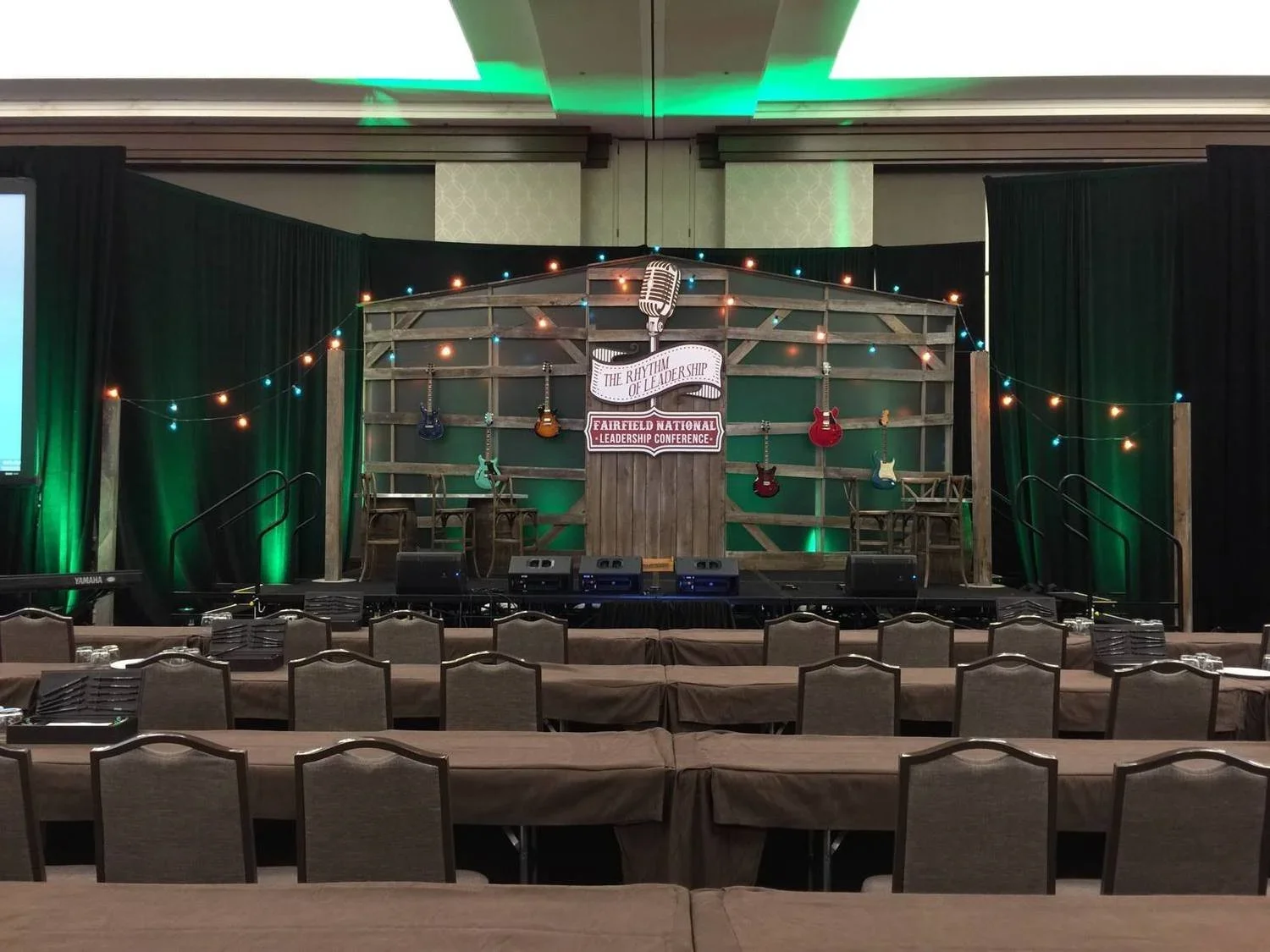
When we bring traditional woodworking into a project, it’s often about warmth, authenticity, and storytelling. A retail environment might call for wood that feels “lived-in.” A stage design might need a rustic, handcrafted element to balance sleek modern finishes.
The Power of Modern Woodworking
Now let’s talk tech. Modern woodworking isn’t about replacing craftsmanship — it’s about enhancing it. Technology gives us speed, precision, and flexibility that hand tools alone can’t match.

Modern Techniques
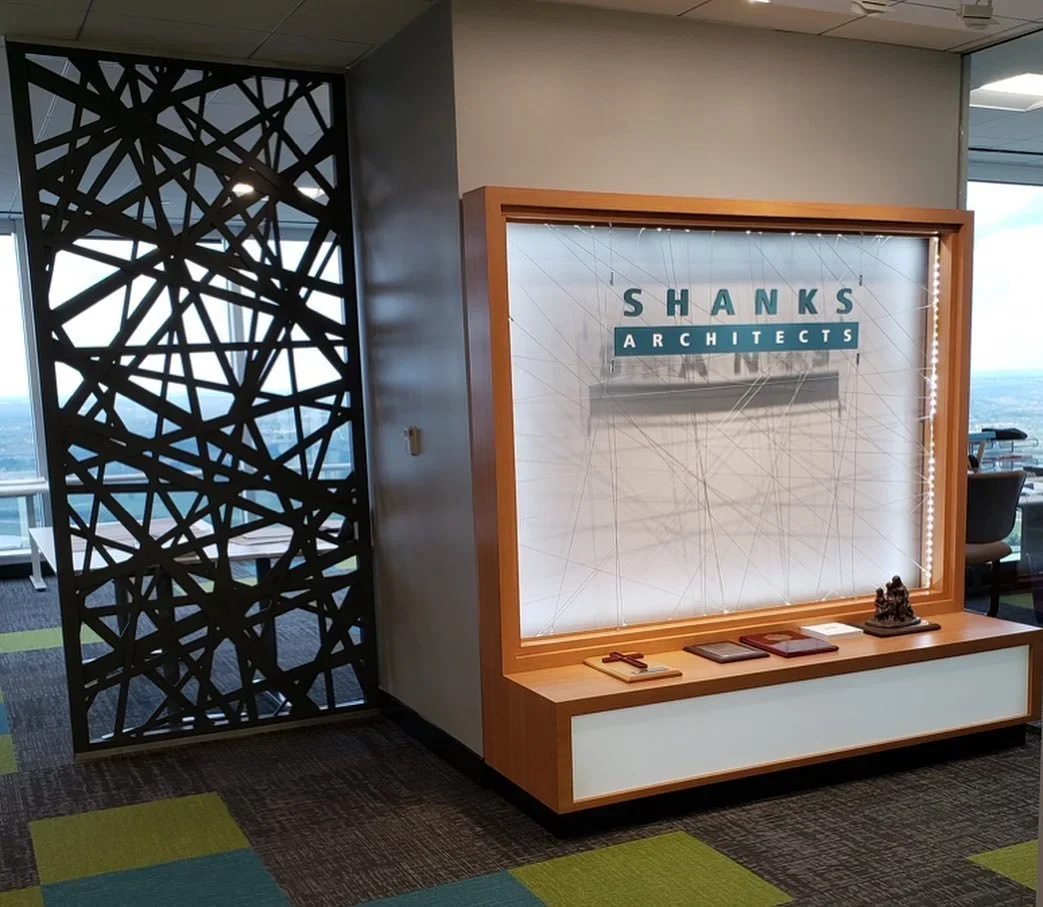
CNC Routing: Computer-guided routers cut wood into shapes and patterns with jaw-dropping precision. Need 200 identical panels? CNC does it flawlessly.
Laser Cutting & Engraving: Perfect for intricate patterns, logos, or detailed surface designs.
3D Modeling & CAD: Before a single cut is made, we can design, preview, and troubleshoot on-screen, saving time and material.
Advanced Finishes: Spray booths, powder coating (on certain woods), and hybrid finishes give wood modern polish and protection.
Why It Matters
Speed & Efficiency: Modern tools handle large volumes and tight deadlines.
Precision: When a project demands millimeter-perfect alignment, computers beat human hands.
Scalability: Perfect for brands who need consistent builds across multiple locations or events.
For us, modern woodworking shines in trade show booths, modular retail fixtures, or any project that demands repeatability and precision under tight timelines.
The Sweet Spot: Blending Old & New
Here’s the truth: the best woodworking today rarely chooses between traditional or modern. It combines them.
Picture this:
CNC cuts the framework for speed and accuracy.
Traditional joinery or hand-finishing adds warmth and authenticity.
Modern finishes seal the deal with durability and polish.
The result? A piece that’s not only structurally flawless but also rich in personality.
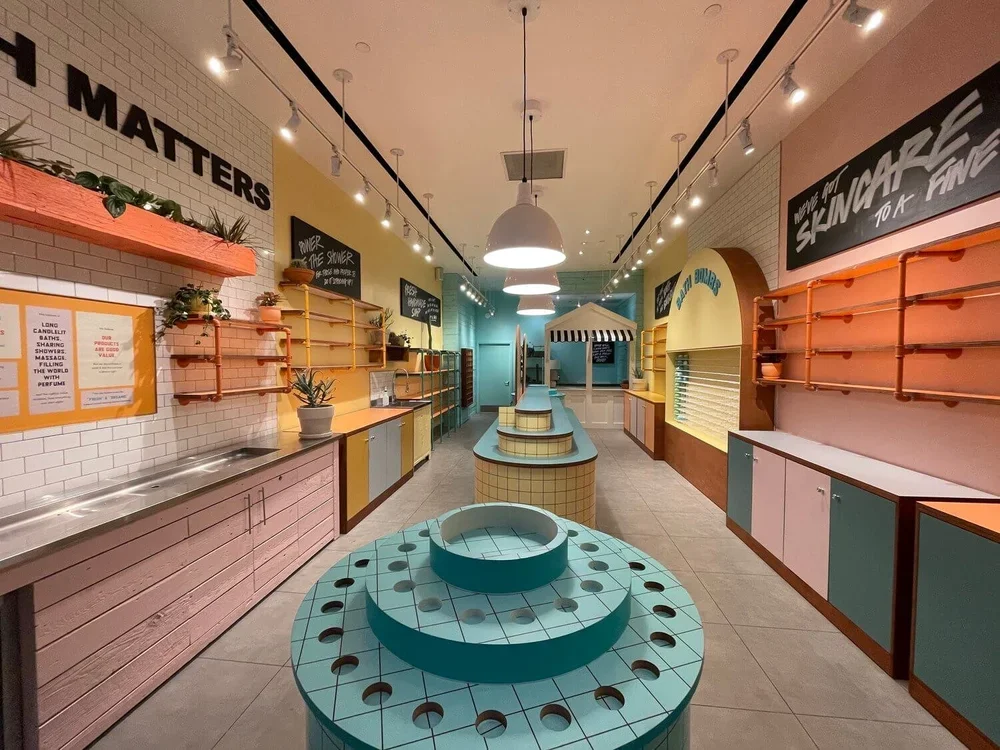
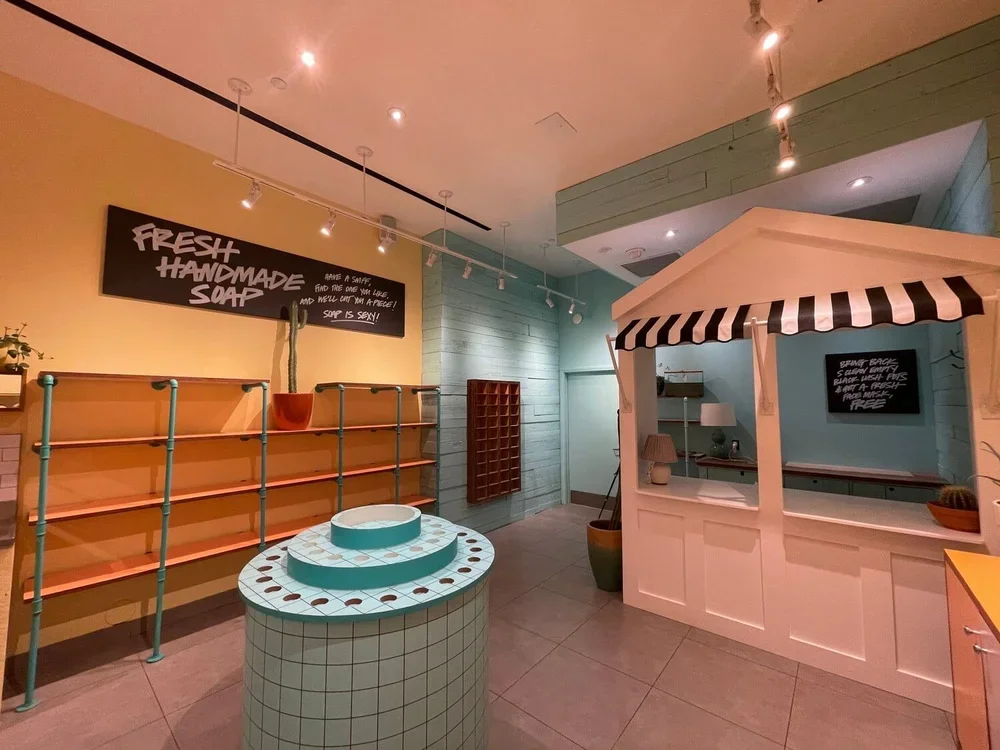
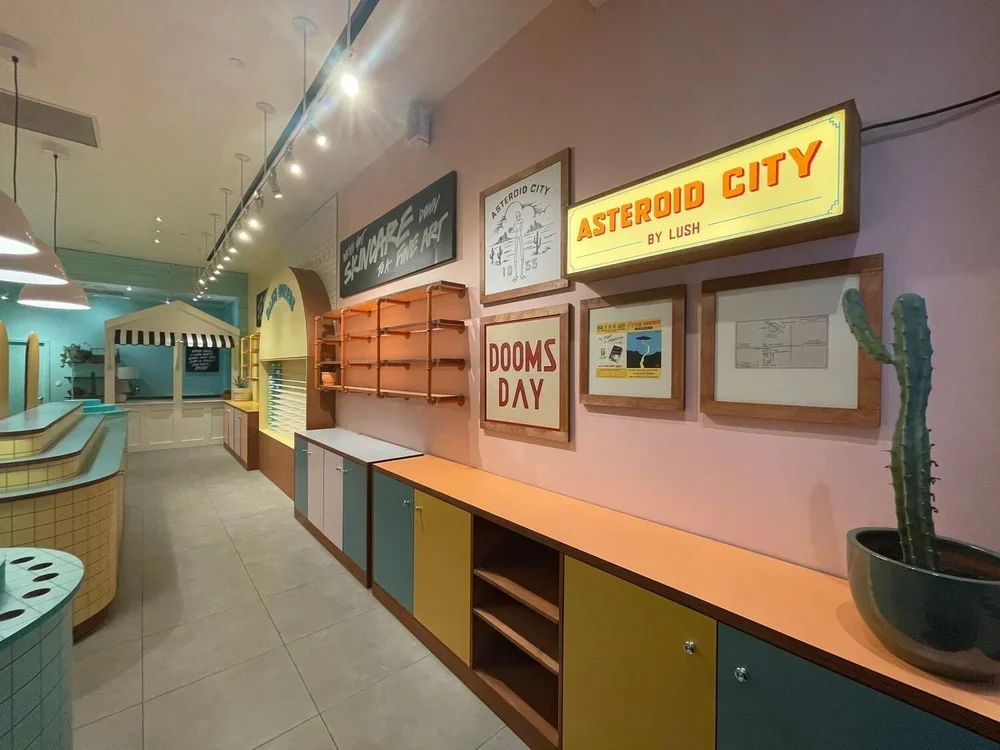
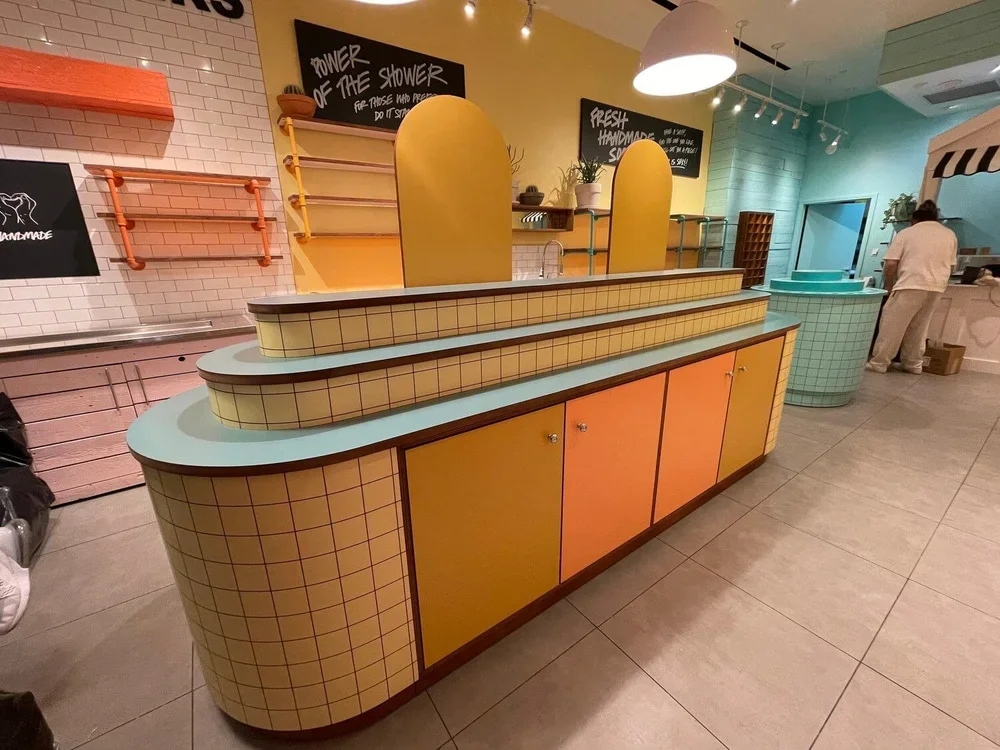
One of our favorite projects blended CNC-cut panels with hand-applied finishes, creating a retail environment that felt sleek yet soulful. That combination of machine precision and human touch is what makes custom fabrication sing.
Why It Matters for Brands
You might be thinking: Cool history lesson, but what does this mean for me? Here’s why understanding woodworking techniques actually matters for clients and brands:
Design Aesthetics: Want rustic charm? Traditional techniques deliver. Want sleek minimalism? Modern precision nails it.
Budget: Handcrafting takes more time (and therefore more cost). CNC and modern methods are faster, but may need finishing touches to avoid feeling too sterile.
Durability & Reuse: Traditional joinery often creates stronger, longer-lasting builds, while modern modular methods allow easy transport and reassembly.
Brand Storytelling: Techniques signal identity. A handcrafted display feels artisanal and authentic; a machine-cut design feels innovative and modern.
Final Word: Craft Meets Creativity
At Mecca, we love both worlds — the romance of traditional woodworking and the innovation of modern techniques. One celebrates history, the other embraces possibility. Together, they let us build spaces and experiences that are strong, beautiful, and unforgettable.
So next time you step into a booth, a pop-up, or an installation where wood is the star, look closer. Behind the smooth finishes or rustic charm is a dance between old-school craftsmanship and new-school tech. And that’s what makes it magic.
ABOUT THE AUTHOR
PAUL MECCA is the President of Mecca Design & Production, where he’s been transforming bold ideas into reality since 2006. An expert in out-of-the-box fabrication, Paul has a deep knowledge of materials, methods, and creative problem-solving. He specializes in turning marketing visions into tangible, unforgettable brand experiences.